The journey starts here
Beyond
the postcard.
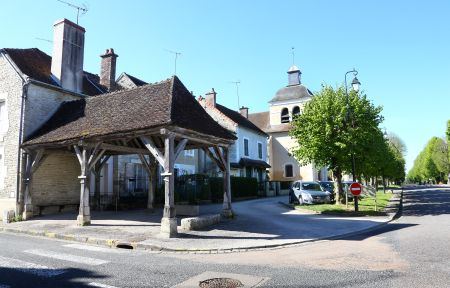
Arrive in Tanlay without hurrying. Follow the façades, walk beneath the lime trees, then pause beside the two small market halls that frame the square.
Fairs were held here in the sixteenth century. Long before our cameras, this square was already a place of arrivals and encounters. The market halls keep that history close.
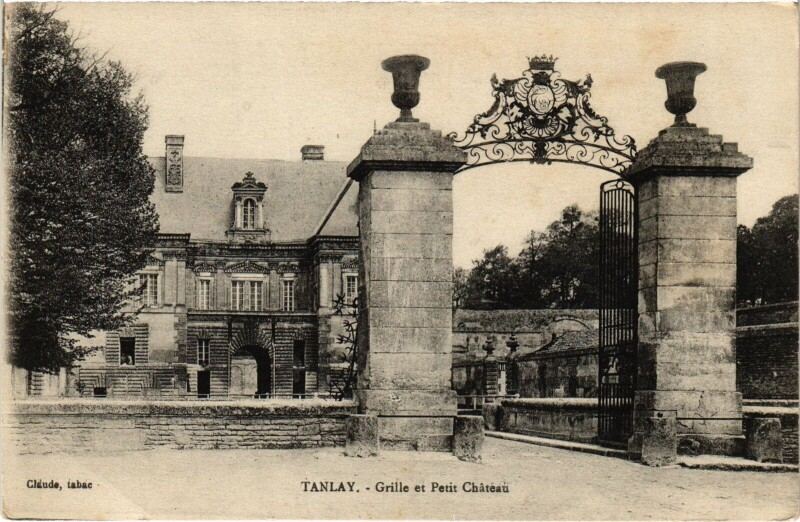
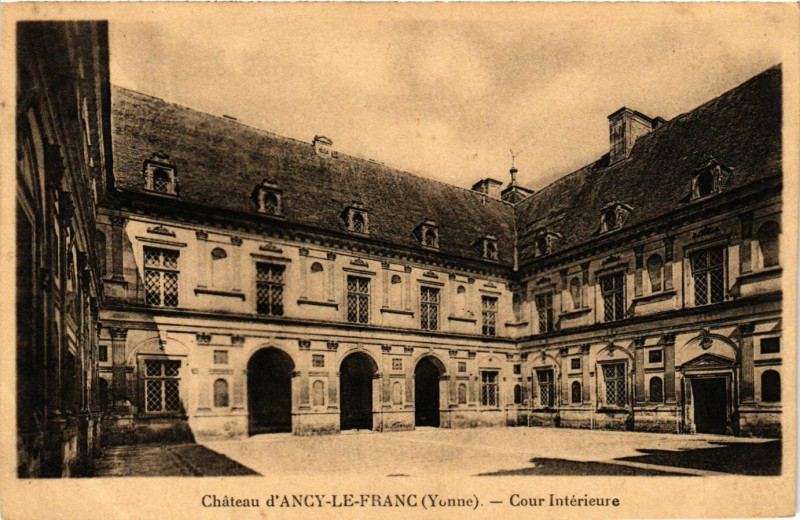
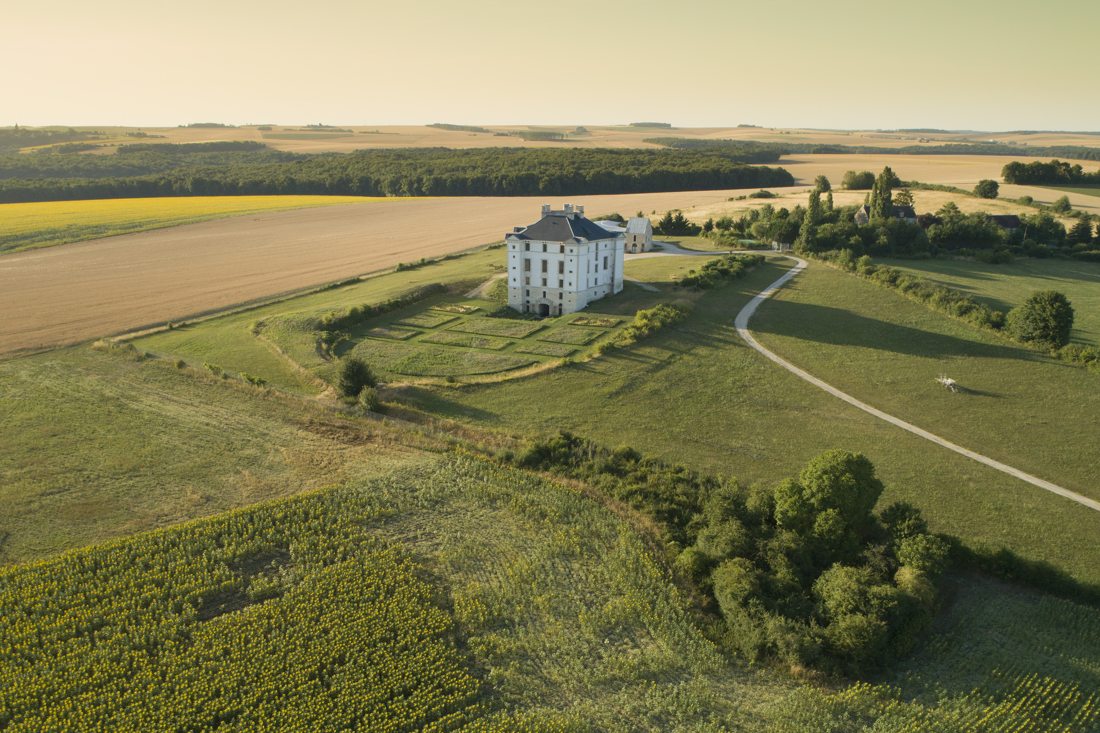
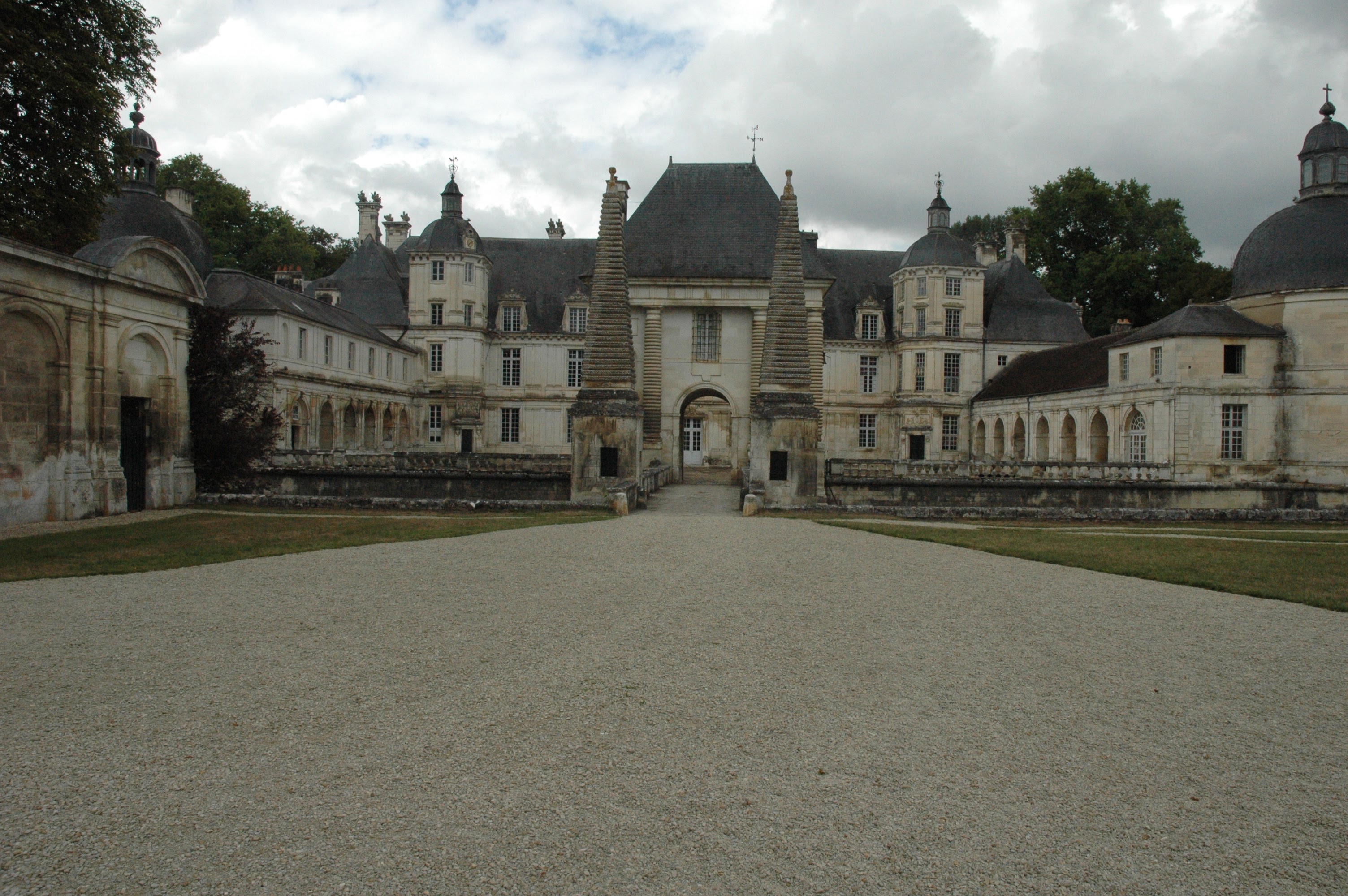
Beyond the Petit Château stands the grand Renaissance residence, built on the foundations of an earlier fortress and completed in the seventeenth century. Beside the moat, look twice: the château takes shape in stone, then appears again in the water.
Read on
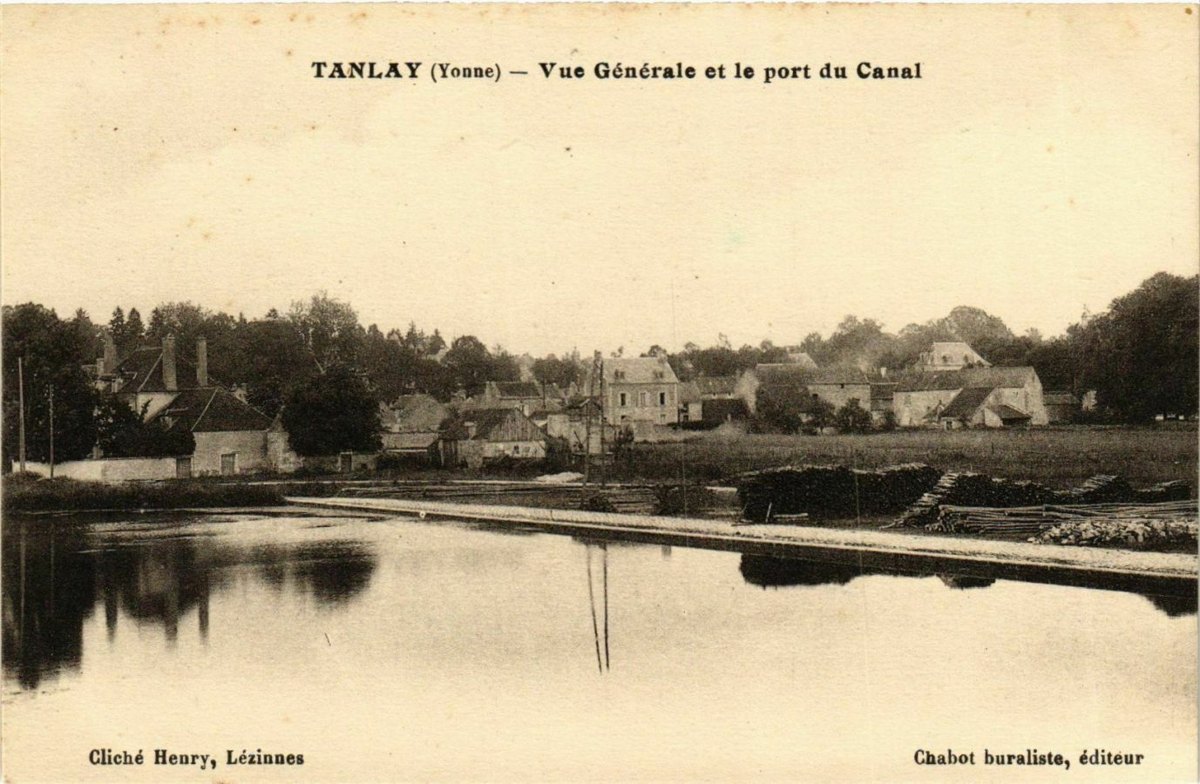
Tanlay also rewards those who linger beyond its best-known view. The wash-house, streets and canal tell a more everyday story: one of work, departures and homecomings.
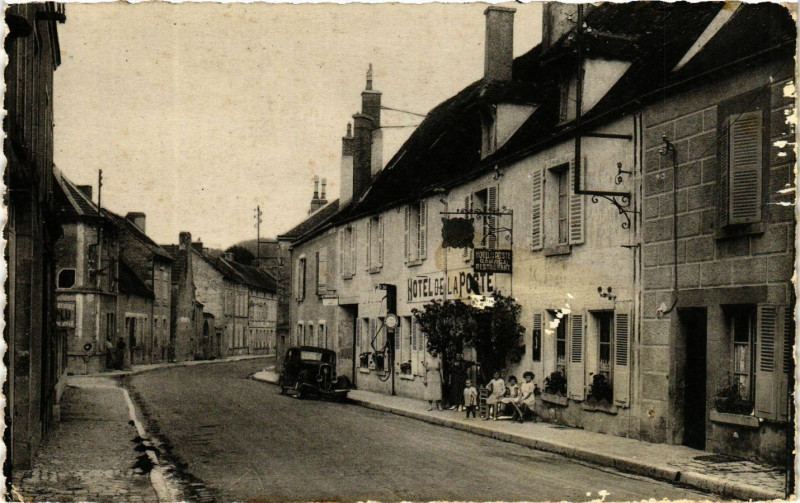
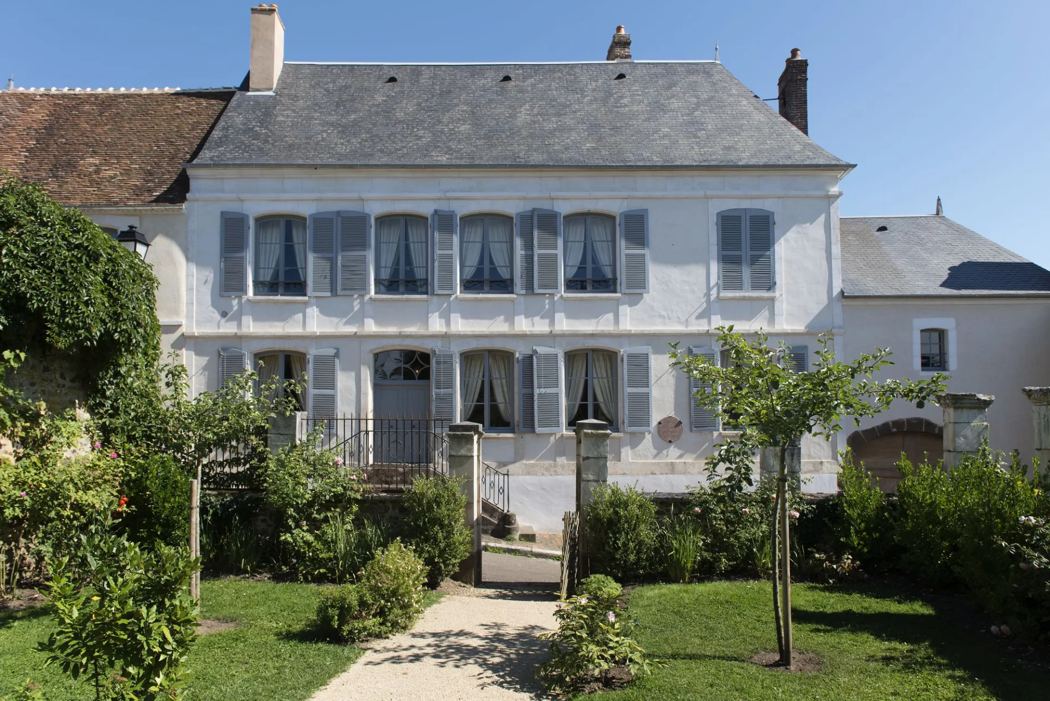
An old photograph invites us to look differently. Recognise a roofline, find a familiar perspective, notice what has changed. When you return from your walk, a house you barely noticed before may already seem familiar.
Beneath the arcades
The lane you had
not planned to take.
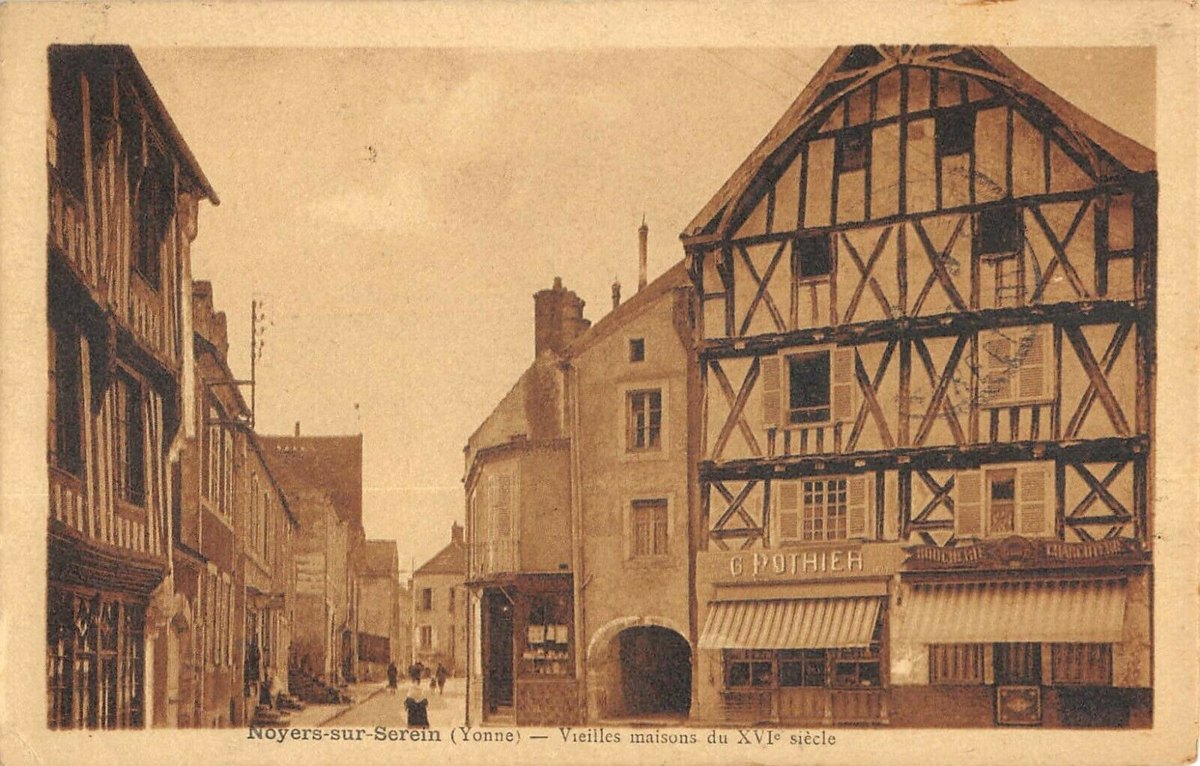
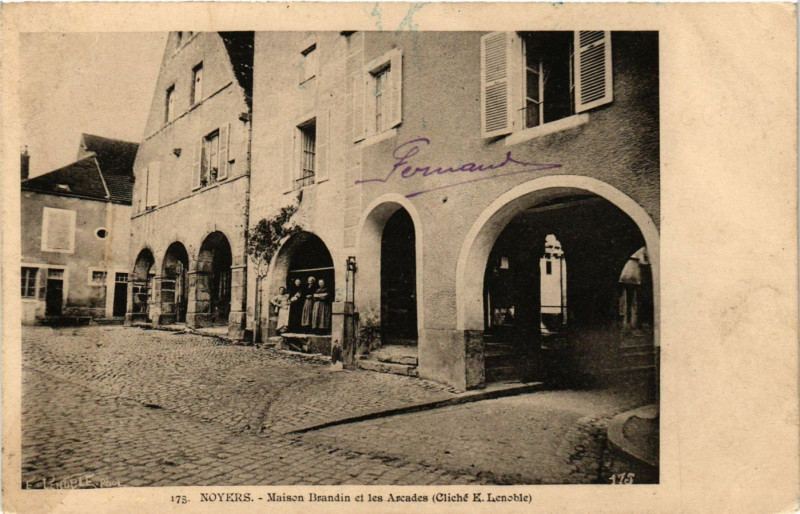
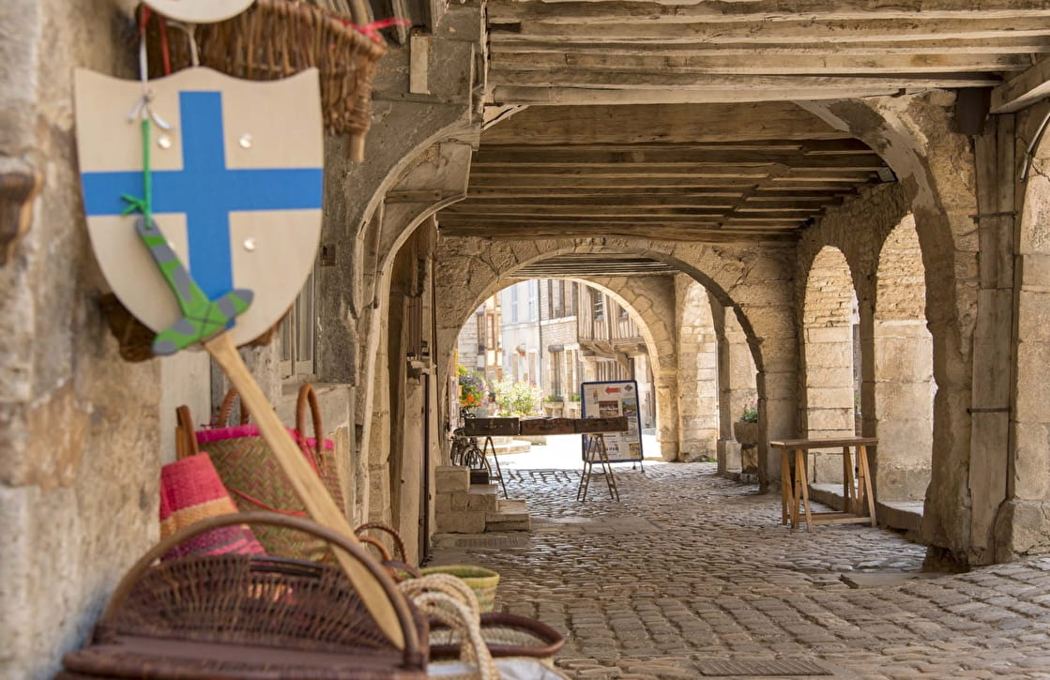
In Noyers, look up before finding your way. Timbers draw lines across the façades. Beneath an arcade, the light fades, then returns across the paving stones.
You came to see a medieval village. Now you are studying a door handle. This is often how a place begins to reveal itself.
Nestled in a bend of the River Serein, Noyers retains timber-framed houses, gateways and traces of its ramparts. Craftspeople's workshops still bring life to its streets.
Read on
A memory from the cinema. In Noyers, Bourvil and Louis de Funès filmed the exterior scenes of the Hôtel du Globe in La Grande Vadrouille. The timber-framed house belongs to the real village; the indoor musical-chairs scene was filmed in a studio. A single façade can become a shared memory for millions of viewers.
At the Museum of Naïve and Popular Arts, the collection donated by Yankel and works by his father, Michel Kikoïne, open another kind of walk, through colour and individual ways of seeing.
Before leaving, make your way to the Serein. Back in Tanlay, what you remember most may be a covered passage, a conversation, or the little street you had not intended to take.
The Renaissance in Burgundy
An encounter
with Italy.
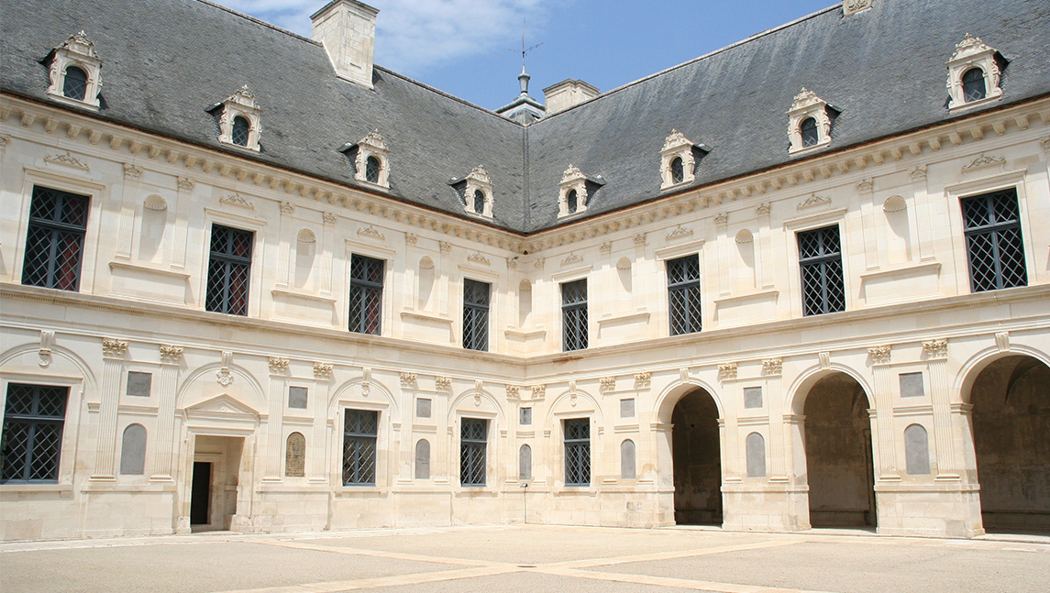
Step into the courtyard. Notice the arcades, the windows and the lines answering one another. Move a few steps to the side: the perspective changes, the balance remains.
In the sixteenth century, Antoine III de Clermont-Tonnerre commissioned a château here, designed by the Italian architect Sebastiano Serlio. In the heart of Burgundy, a different approach to building took shape.
Inside, the wall paintings ask you to slow down again. Your eye follows a figure, discovers a detail, returns to a colour.
Read on
After the visit, leave time to explore the town. Its houses, streets and shops bring the place back to an everyday scale.
Back at Le Point de Vue de Tanlay, you may find yourself comparing the two châteaux: their lines, decorations and relationship with the landscape. Two nearby stops can lead to very different journeys.
1293 · A queen founds a place of care
A great hall
to welcome others.
In Tonnerre, history takes us into a place built for others. Beneath its immense roof timbers, the hall of the Hôtel-Dieu reminds us that heritage also tells stories of care and welcome.
In 1293, Marguerite de Bourgogne, Queen of Sicily and Countess of Tonnerre, founded the Hôtel-Dieu Notre-Dame des Fontenilles. It welcomed the sick and the poor: behind the monument's grandeur lay a profoundly human purpose.
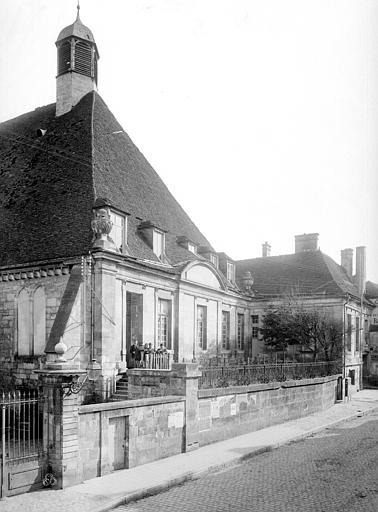
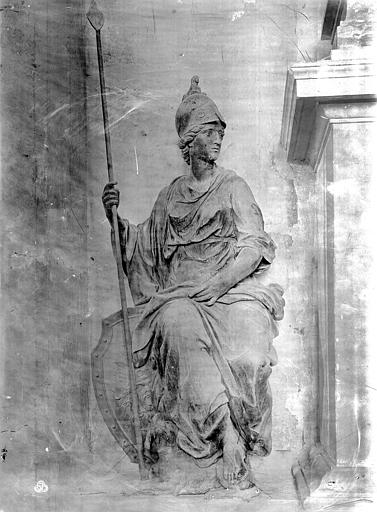
Browse the photographs: an undated historic view, a sculpted detail photographed in 1905, then an exterior view from 2012. Compare the façades in the exterior photographs. The angles differ; the journey is about recognising the place, then going to look at it for yourself.
Read on
An archive cannot tell us everything. It preserves a building at one moment, a photographer's eye, a particular light. Most of the lives that passed through these walls remain beyond our reach, but the purpose of the place brings us closer to them.
Afterwards, continue through Tonnerre towards the Fosse Dionne spring and the streets of the old town. From mysterious water to the great hall of the Hôtel-Dieu, the town offers several paths for your curiosity.
Four views of Commissey
Following the water,
following people's lives.
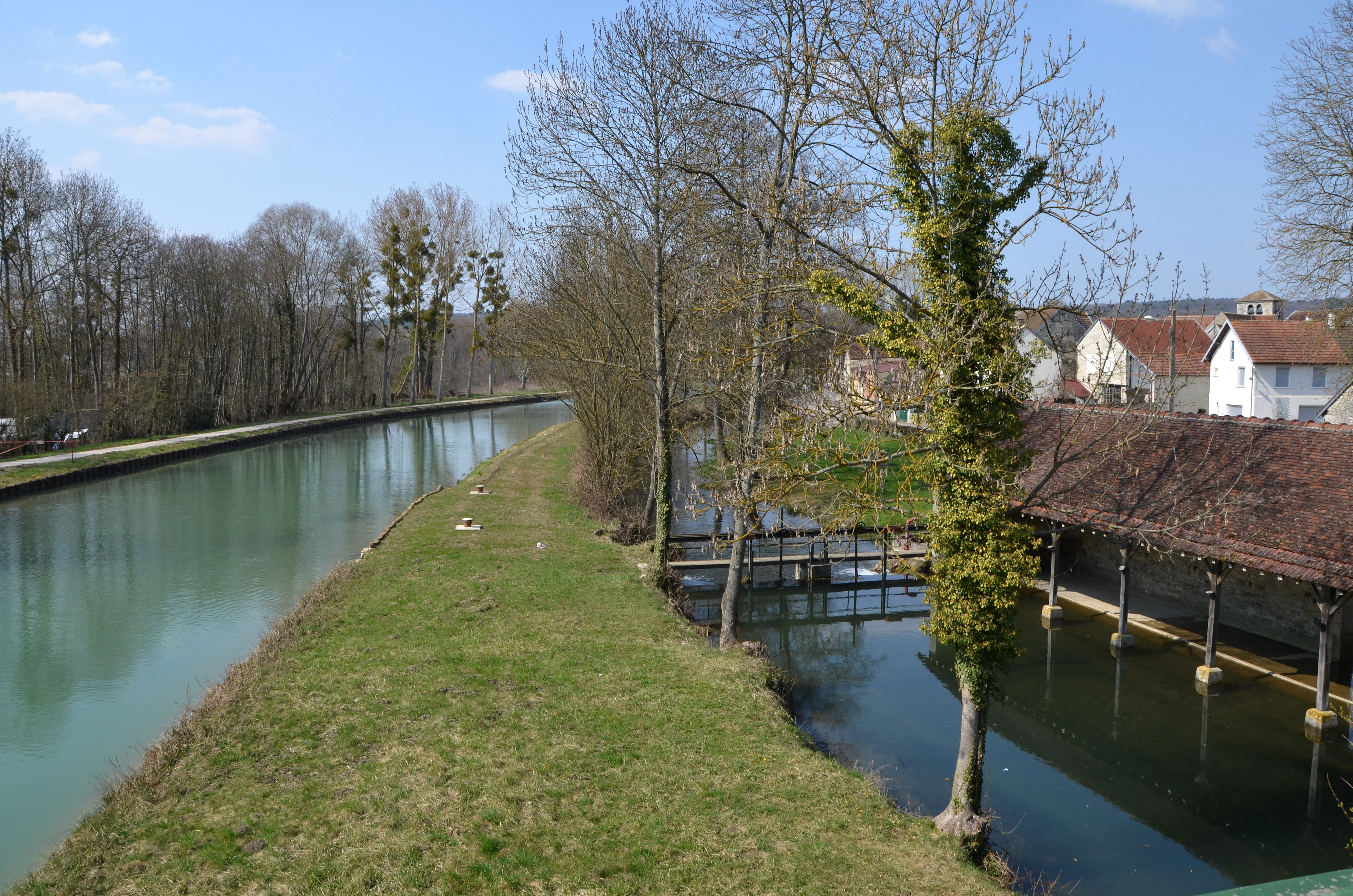
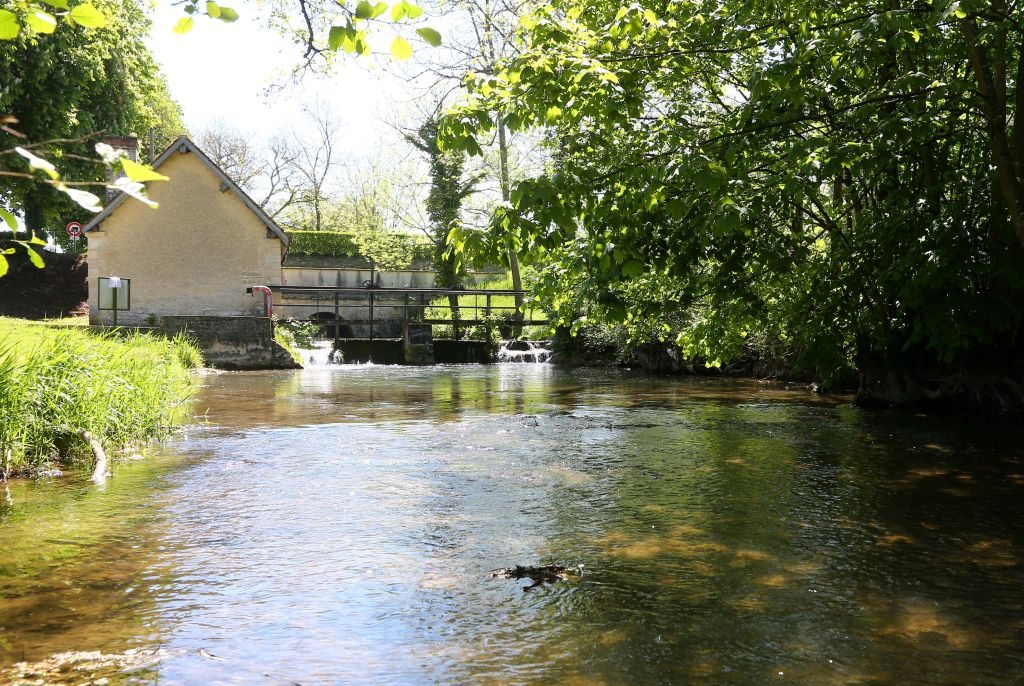
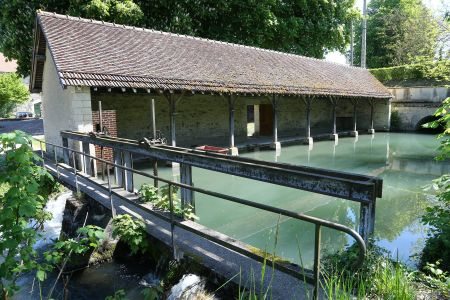
A roof to shelter the work, a basin to rinse the linen, a footbridge above the current. The wash-house brings us closer to everyday life in the past.
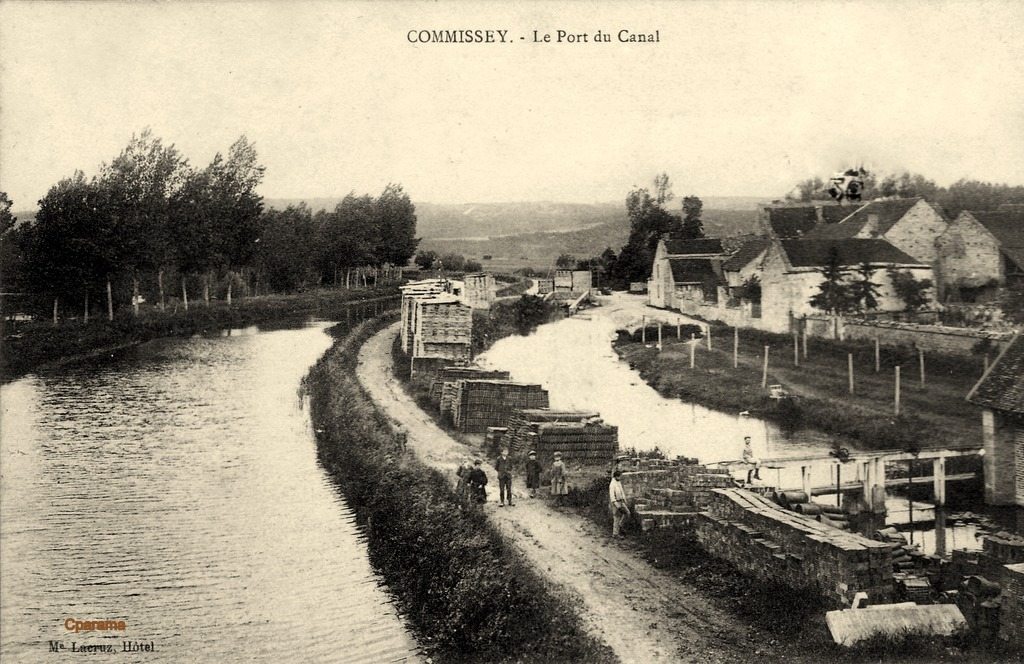
Explore the photographs of the basin and its surroundings. The 2012 view places the wash-house beside the canal; the historic postcard widens the walk to Commissey's port.
Built in 1852, the wash-house recalls the physical effort of women washing clothes by hand. Further down the journal, a story is dedicated to them.
Read “The voices the water keeps” ↓A waterway for work and trade
When the quays
were at work.
Look at the postcard of Commissey: stacks line the bank. Before leisurely walks and holiday boats, the canal carried goods.
Timber, coal, grain, stone and other materials travelled along the Burgundy Canal. The postcard shows stockpiles beside the water, although their exact contents cannot be established from this image alone.
In Tanlay, trade also left a written trace: in 1841, merchants requested a loading quay wall, and the engineer Leblanc prepared the design.
Read about the canal and its quays ↓